


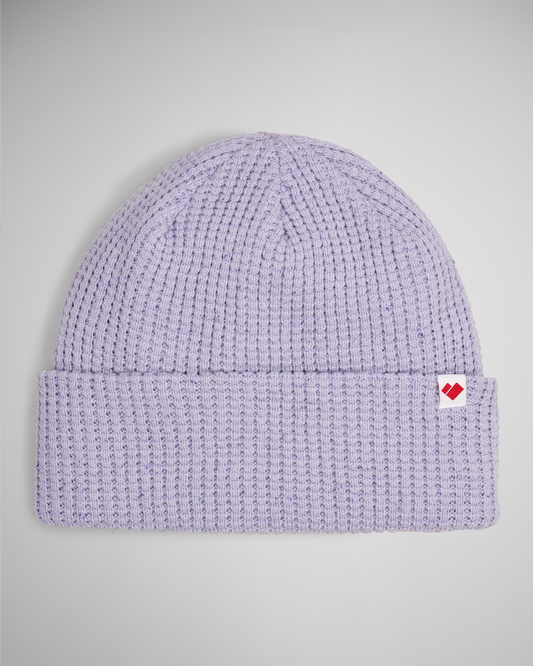


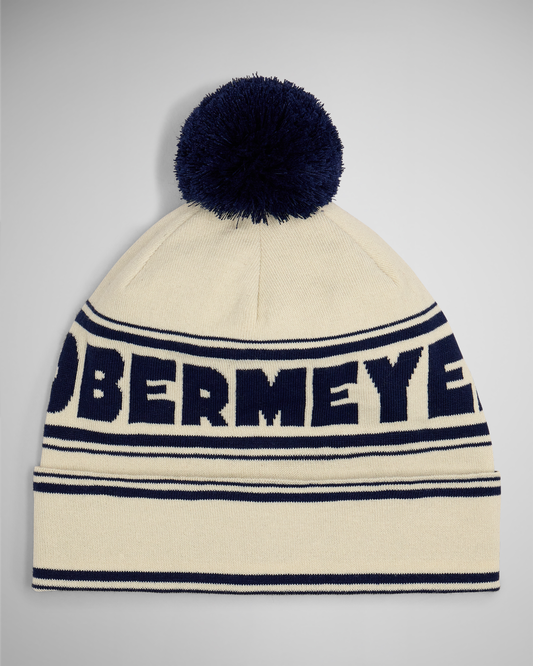

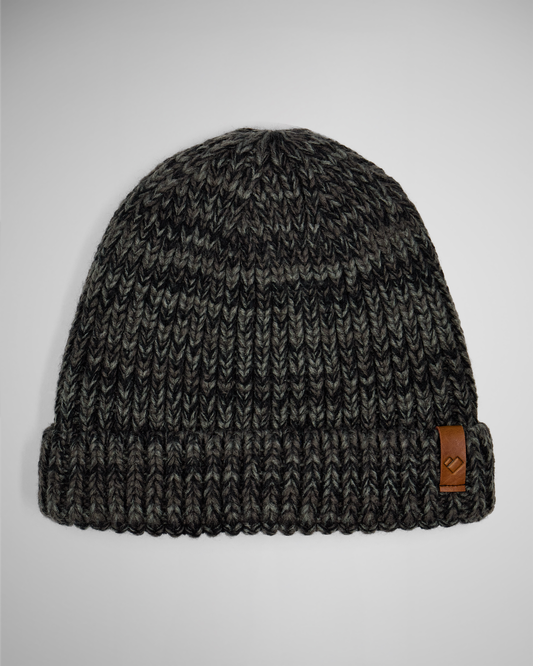

A good ski hat needs to do three things: keep you warm, manage sweat, and work with the way you ski. If you're in a helmet all day, you'll want something different than a beanie for cold chairlift rides or walking into the lodge after a storm morning.
Types of Ski Beanies and Winter Hats
The main options are cuffed beanies, skull caps, and earflap or trapper styles. The best one depends on conditions, helmet use, and how much warmth you want.
Cuffed Beanies
The classic ski hat. The folded cuff adds warmth around the ears and forehead and gives you some fit adjustability. It's the easy all-rounder for resort days and après. Just know the extra bulk can make helmet fit less comfortable.—the Fir FF Beanie is a classic example. Just know the extra bulk can make helmet fit less comfortable.
Skull Caps and Low-Profile Fits
Skull caps fit close with no cuff, so they slide under a helmet without bunching. If you ski in a helmet most of the day, this is the move. They're light, low-bulk, and easy to forget once everything's buckled. Trade-off: less warmth when you're standing around.—the Cirque Beanie is a solid pick here. Trade-off: less warmth when you're standing around.
Earflap and Trapper Styles
These bring the most coverage and warmth, especially for cold, windy days. Extra material around the ears helps block wind and hold heat. Most trapper styles don't fit well under helmets, so they're better for helmet-free days or post-ski wear.
Best Materials for Ski Hats
Material affects warmth, breathability, and how your hat handles sweat.
| Material | Key Benefit | Best For |
| Merino Wool | Temperature regulation, odor resistance | All-around use, multi-day trips |
| Fleece | Quick-drying, lightweight | High-output activity, spring skiing |
| Synthetics | Moisture-wicking, durable | Helmet layering, intense effort |
Merino Wool
Merino wool handles a wide range of conditions well. It regulates temperature, resists odor, breathes, and stays warm when damp. It's a strong pick for variable resort weather and multi-day trips. Downside: it usually costs more.
Fleece and Synthetic Blends
Fleece and synthetics dry fast, pack small, and usually cost less than wool. The Hanging Valley Beanie is a great option for touring, spring laps, or as a backup hat in your pack. The trade-off is they can feel clammy when wet and hold odor more than wool.
Moisture-Wicking Linings
If you run hot, moisture management matters. A wicking liner helps pull sweat off your skin so you stay drier during harder efforts. Look for it if you sweat a lot or want a beanie that works beyond mellow lift laps.
How to Choose a Helmet-Compatible Beanie
Look for a thin, snug beanie with minimal seams and no bulky cuff. It should stay put under your helmet and not interfere with your goggle strap. Try it on with your helmet before ski day—if you notice pressure points at home, you'll really notice them by lunch. On storm days, pair it with a helmet-compatible hood for full coverage. Try it on with your helmet before ski day—if you notice pressure points at home, you'll really notice them by lunch.
Warmth Levels for Every Condition
Choose warmth based on weather and activity.
Midweight Beanies for All-Mountain Days
Midweight is the everyday workhorse. WarmMidweight is the everyday workhorse. Something like the Shoshone Beanie—warm enough for cold mornings, breathable enough for typical resort laps, and versatile under a helmet or on its own.
Lightweight Options for Touring and Spring Skiing
Lightweight beanies are best for movement, sunny days, and packing as a backup. They're breathable and easy to stash, but not ideal when you're standing still.
Heavyweight Insulation for Storm Days
Heavyweight beanies, like the Hemlock Beanie, are for bitter cold, wind, and long lift rides. They're the warmest option, but the bulk usually makes them a poor match for helmets.
From the Lift to the Lodge
At Obermeyer, our beanies are built to handle real mountain conditions and still look good when the skiing's done, pair one with a merino mockneck and you're set from the lift to the bar. Whether you want a helmet-friendly skull cap or a classic cuffed beanie for après, you'll find options made with quality materials and all-day versatility.