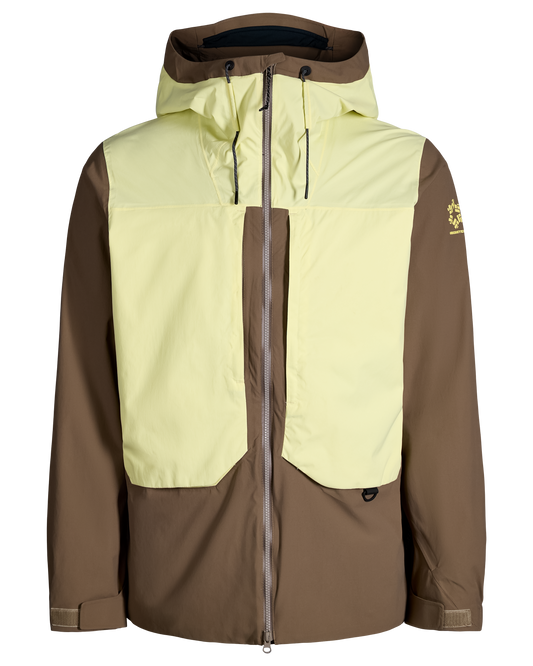
The jacket makes or breaks the day. If you've ever stood at the top of a run in something that stopped breathing two runs ago, you already know that.
This guide to men's ski jackets cuts through the noise on waterproof ratings, insulation types, fit, and features across ski clothing, so you can find the perfect ski jacket that earns its place on the slopes and off it. We've also rounded up the newest Obermeyer jackets for the 2026/27 season, from 30k shells to a 600 fill down puffer.
Table of Contents
- What Makes the Perfect Men's Ski Jacket?
- How Do Waterproof Fabrics Affect Your Ski Experience?
- Which Ski Jacket Fits Your Style and Body Type Best?
- What Are the Essential Features to Consider in Men's Snow Jackets?
- How Do Technical Specs Improve Your Skiing Performance?
- Can a Ski Jacket Double as Everyday Outerwear?
- How Should You Care for Your Ski Jacket?
- Where Can You Find High-Quality Men's Ski Jackets?
What Makes the Perfect Men's Ski Jacket?
Not all ski jackets are created equal. The difference between a great day on the mountain and a miserable one often comes down to what you're wearing from the waist up. A great men's ski jacket balances protection, breathability, and warmth for winter sports, without giving up the kind of style that holds up from the lift to the lodge.
- Performance specs matter. Look for at least 10k waterproofing and breathability ratings, and bump that up to 20k to 30k if you're skiing all-mountain or backcountry.
- Ski jackets run trimmer and shorter than men's snowboard jackets, which tend to be longer and looser to accommodate movement on the board.
- Technical features drive results on the slopes: sealed seams, powder skirts, helmet-compatible hoods, and venting zips are what separate functional outerwear from an expensive costume.
- Trending styles blend technical construction with cleaner, more modern silhouettes, a shift from the boxy, logo-heavy jackets of the past. Performance and fashion don't have to be a trade-off anymore.
-
Obermeyer designs across the full skill spectrum, from resort regulars to backcountry tourers, with fit options (regular, active, relaxed) and warmth levels to match. The 2026/27 lineup shows that range clearly, from the freeride-ready Alpin Jacket to the relaxed-fit M Steibis Shell Jacket built for big days off the grid.
How Do Waterproof Fabrics Affect Your Ski Experience?
A wet skier is a cold skier, and a cold skier is a miserable skier. Waterproof ratings, measured in millimeters, tell you how much water pressure a fabric can resist before it soaks through. The newest Obermeyer jackets range from 15k (Raze, Foundation, and Braun Quilted) for resort days up to 30k (Alpin, M Tagert Shell, and M Steibis Shell) for backcountry and storm days. Breathability ratings matter just as much. They measure how efficiently moisture escapes from the inside out, which is the difference between skiing hard and skiing in a sauna.
-
Shell jackets: Uninsulated and highly breathable, built for layering. Ideal for variable conditions and high-output touring days. New this season, the M Tagert Shell Jacket and M Steibis Shell Jacket both carry 30k/30k ratings.
-
Insulated jackets: Built-in warmth from down or synthetic fill. The right move for the coldest days, helping you stay warm when you're not generating much body heat. The Fall Line Jacket uses PrimaLoft Black Eco insulation, and the new Braun Quilted Jacket pairs ECOLoft Air fill with a 15k/15k shell.
-
Layering system: A moisture-wicking base layer, an insulating mid-layer, and a waterproof outer shell.
-
Insulation materials: Opt for down for packable warmth, or synthetic fill for wet-weather reliability. The new Cold Mega Jacket uses 600 fill power down for serious warmth on frigid days.
-
Ventilation: Look for pit zips or chest vents so you can dump heat on aggressive runs without shedding a layer.
Which Ski Jacket Fits Your Style and Body Type Best?
Fit isn't just about how you look in the lift line. It determines how you move on the mountain. A jacket that's too boxy traps air and catches wind on fast groomers. Too slim, and you can't layer properly or even drop your arms into a pole plant without feeling like you're stuck in a straitjacket. Get a clear idea of what you're working with before you buy.
- Slim and active fits favor skiers who want clean mobility and minimal bulk. Great for groomers, gates, and anyone who tends to run hot. The new Alpin Jacket uses an active fit with 4-way stretch for freeride days.
- Relaxed fits are suitable for snowboarders and all-mountain riders who need freedom through the hips and shoulders for bigger, more rotational movement. The M Steibis Shell Jacket is cut relaxed with a longer back for extra coverage.
- Adjustable cuffs, hem cinches, and helmet-compatible hoods let you dial in the fit on the fly. Once conditions shift mid-day, you'll use all three.
- Length matters as much as width. The Raze Jacket comes in Short, Regular, and Tall lengths, so taller and shorter skiers get the same coverage.
- Classic neutrals (black, navy, charcoal) pair with anything and photograph well. Bold colors like blue and patterns make you easy to spot, harder to forget, and more fun to wear.
- Match jacket volume to your pants. A relaxed jacket over slim bibs works fine, but two boxy pieces together just look like you borrowed someone else's kit.
The right fit is the one you stop thinking about by run three.
What Are the Essential Features to Consider in Men's Snow Jackets?
Performance specs get the headlines, but the small details are what you notice at hour six on the mountain. The right pocket in the right place. A hood that fits over your helmet without a fight. A powder skirt that does its job when you eat it on a steep groomer. That focus on the skier's experience comes straight from Obermeyer's win-win philosophy, and it's what separates a jacket you tolerate from one you reach for every single day.
-
Pockets: You want a dedicated media pocket, a lift pass pocket, a goggle-safe fleece-lined pocket, and hand-warmer pockets deep enough to warm your hands. Jackets like the Fall Line and Braun Quilted add an interior electronics pocket with cord routing.
-
Hood fit and helmet compatibility: A helmet-compatible hood should cinch snug without riding up or blocking your peripheral vision. Test it before you buy.
-
Powder skirt: A snap-in, stretch skirt keeps snow out when you're carving through fresh powder or your line gets a little creative.
-
Avalanche safety: A built-in RECCO reflector helps organized rescue teams locate you. The new Alpin, M Tagert Shell, and M Steibis Shell jackets all include one. It doesn't replace an avalanche transceiver, but it's a smart backup.
-
Jacket-to-bib connection: The M Steibis Shell Jacket uses magnets to connect with the matching M Steibis Shell Bib Pant, which keeps the jacket in place when you're moving hard.
-
Reinforced zones: High-wear areas at the cuffs, shoulders, and seat extend the durability of the jacket season after season.
How Do Technical Specs Improve Your Skiing Performance?
The numbers on a hangtag decide whether you spend the afternoon on a sweat-soaked chairlift or still charging groomers. Understanding how layering works with your jacket's specs helps you choose the right setup, and each spec below affects how your jacket performs when conditions turn.
-
Breathability (MVTR): Measures how much moisture vapor escapes per square meter every 24 hours. Higher ratings mean sweat moves out faster, which matters most on hard-charging days or in spring slush when you're running hot.
-
Waterproof ratings (mm): A 10k rating handles moderate snow and light rain just fine. Step up to 20k to 30k for heavy storm days, lift-line exposure, or wet coastal conditions where staying dry isn't optional. The new M Tagert Shell Jacket hits 30k/30k, while the Raze Jacket sits at 15k/15k for resort days.
-
Ventilation and mobility: Pit zips and underarm vents let you regulate temperature without stripping layers mid-run. Articulated patterning and stretch panels keep your range of motion clean through every turn.
-
Lightweight shell vs. insulated jacket: Shells give you layering flexibility across variable conditions. Insulated jackets simplify cold, stable days for skiers who prefer to just zip up and go.
Match the specs to your real conditions, not the best-case scenario you're hoping for.
Can a Ski Jacket Double as Everyday Outerwear?
Yes, if you pick the right one. A boxy jacket covered in logos reads "ski trip" everywhere you wear it. A cleaner silhouette in a versatile colorway is just a great winter jacket that happens to handle a blizzard.
- Transitional styling starts with the cut. A regular or active fit with a mid-length hem moves easily from airport to après to a city dinner, just as ready for everyday use as it is for a powder day. No one clocks it as ski-specific unless you tell them.
- Fabric matters off the hill too. Softer-shell constructions and matte finishes tend to read more street-ready than stiff, crinkly technical shells. High waterproof ratings still protect you through a slushy commute.
- Layering shifts depending on context. On the mountain, you're stacking a midlayer underneath. In town, a merino crewneck or a light fleece keeps things clean and proportional without the bulk.
- Down styles built for warmth can work off the slopes, too. The new Cold Mega Jacket pairs 600 fill down with an asymmetric, streetwear-inspired design. It's built for warmth rather than storm protection, so save it for cold, dry days and time in town.
The jackets that pull double duty best are the ones that don't announce themselves. Quiet enough for a cab ride, capable enough for a powder day.
How Should You Care for Your Ski Jacket?
A good ski jacket is an investment, so treat it like one. The biggest mistake most guys make is tossing their jacket in a heap at the end of the season and then wondering why it's soaking through by January. A little maintenance goes a long way toward keeping the waterproofing sharp and the hardware moving smoothly for years.
- Wash on a gentle cycle with a technical cleaner like Nikwax Tech Wash. Skip regular detergent, since it strips DWR. Tumble dry on low heat afterward to reactivate the durable water repellent coating, which is what makes water bead off instead of soaking in.
- Store it clean, uncompressed, and hanging in a cool, dry space. Stuffing a damp jacket into a gear bag for eight months is a good way to end up with mildew and dead insulation.
- For minor tears, seam tape and a fabric patch kit will handle most field repairs. Sticky zippers respond well to a zipper lubricant; just don't force them or you'll wreck the teeth.

Where Can You Find High-Quality Men's Ski Jackets?
Obermeyer has been building mountain-ready outerwear since 1947, and the men's collection reflects that depth: technical shells, insulated jackets, and down options spanning 15k to 30k waterproofing, active to relaxed fits, and a size range that covers real humans. There's a jacket built to help you explore your own version of adventure, whether that's lapping groomers at Vail or skinning into the backcountry.
New Men's Ski Jackets for the 2026/27 Season
This season's newest styles cover every kind of skier, from storm-day touring to après in town.
-
Alpin Jacket: Made for freeride skiers who split time between the park, trees, and backcountry. It pairs 30k/30k waterproofing with PrimaLoft Black Eco insulation, 4-way stretch, and a RECCO reflector in an active fit.
-
M Steibis Shell Jacket: A 3-layer, 30k/30k shell from the Off Grid collection with a relaxed fit, RECCO reflector, and magnets that connect to the matching bib. Its nylon is made with yarn from recycled ocean waste.
-
M Tagert Shell Jacket: A fully featured skier's shell for resort and backcountry days, with 30k/30k protection, a longer cut, a powder skirt, and a helmet-compatible hood.
-
Braun Quilted Jacket: A quilted look with on-mountain specs, including ECOLoft Air insulation, a 15k/15k HydroBlock Pro shell, and a hidden phone pocket.
-
Cold Mega Jacket: 600 fill power down in an asymmetric, streetwear-inspired cut, built for cold days on the hill and in the city.
Favorites like the Raze, Fall Line, and Foundation jackets also return in new colors. Browse every new style in Men's New Arrivals.
Once you've found your jacket, build the rest of your kit around it. A well-matched setup is the difference between a great run and a miserable one.
-
Pants and bibs: Match your jacket's waterproof rating so your weakest layer doesn't become the problem when the snow turns wet.
-
Midlayers: A fleece or insulated piece underneath gives you flexibility when temps swing hard between the summit and the base lodge.
-
Gloves and accessories: Helmet-compatible hoods, goggle pockets, and wrist gaiters only work if your gloves and headgear are playing the same game.
The right jacket doesn't overthink itself, and neither should you. Match the waterproofing to your conditions, get the fit right for how you move on the mountain, and let the features do the work. Whether you're lapping groomers or pushing into the backcountry, that framework holds. Shell or insulated, regular or active fit, resort or touring: the variables are manageable once you know what to look for.
When you're ready to see it all in one place, check out the full collection and build out your kit from there.
FAQs
Are all ski jackets waterproof?
Most are, but the level of protection varies, so always check the fabric's waterproof rating. A 15k rating like the one on the Fall Line Jacket handles most resort days, while 20k to 30k is better for storms and wet snow.
Can men's ski jackets be used for snowboarding?
Yes, many men's ski jackets work for both skiing and snowboarding. Snowboarders often prefer a longer, roomier cut for movement, so compare fits and back lengths across the Men's Alpine Collection to find the right match.
Do I need a separate jacket for different temperatures?
Not usually. A layering system lets one jacket handle a wide range of conditions. Add an insulated piece like the M Lindley Insulator on cold days and drop it when temps climb.
Are shell jackets warm enough for winter skiing?
On their own, shells protect you from wind and snow but add very little warmth. Pair a shell with a base layer and a slim midlayer like the M Skinner Fleece, and it will handle cold winter days.
Can ski jackets be worn off the slopes?
Yes, especially designs that balance performance with a clean, modern look. The Raze Jacket is a good example, with a streamlined design that works as well in town as it does on the lift.